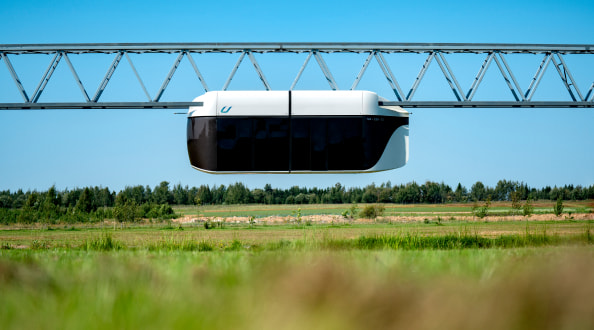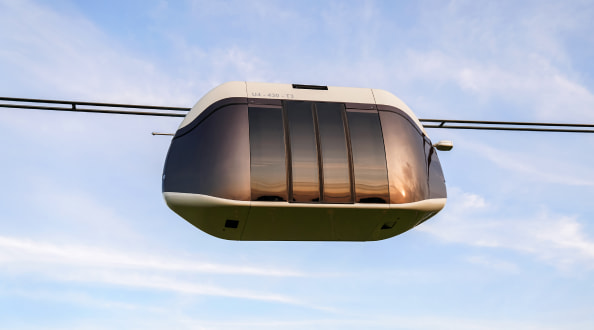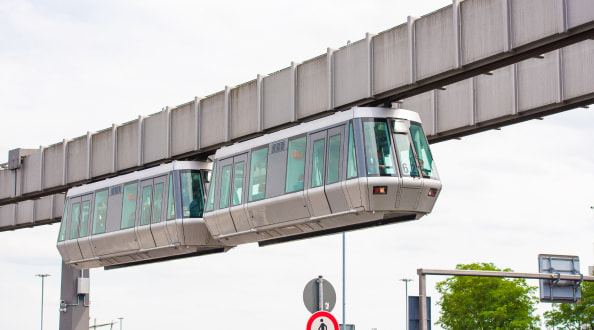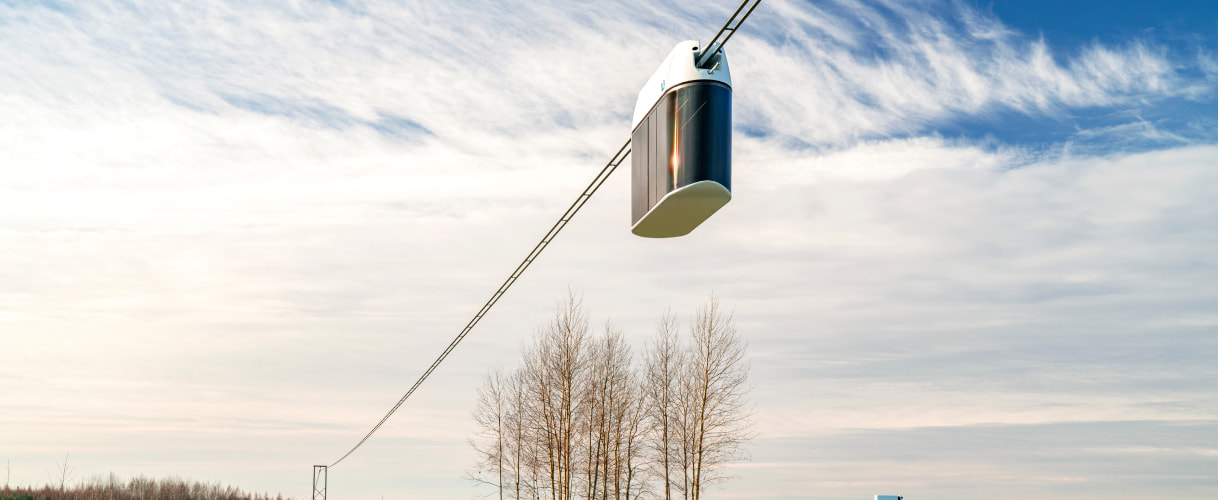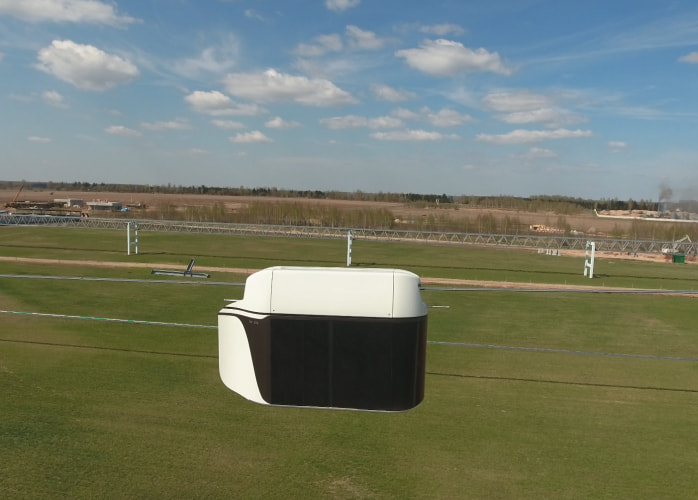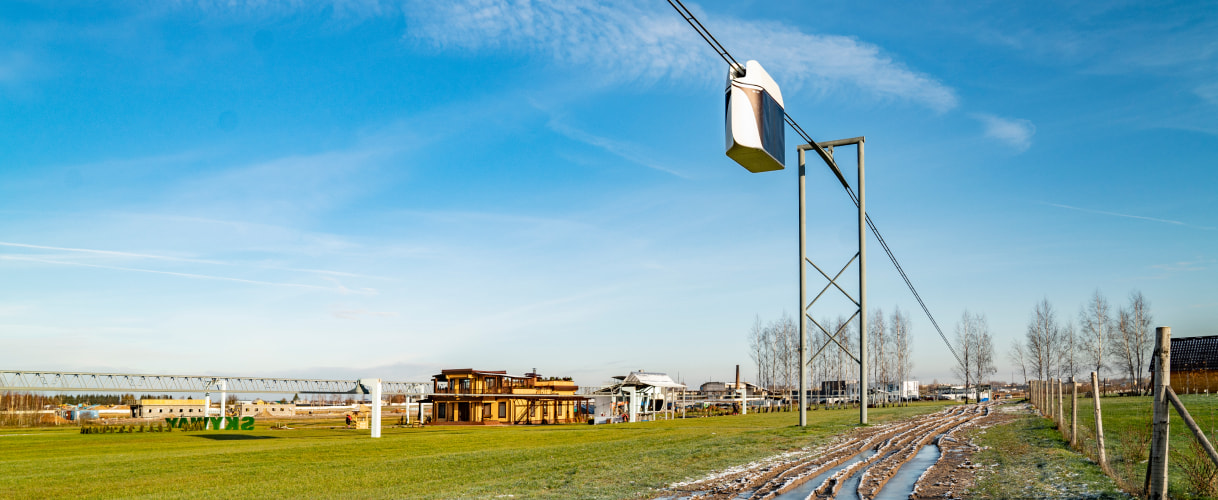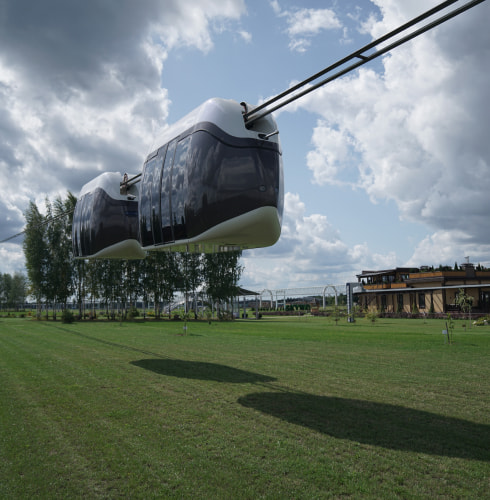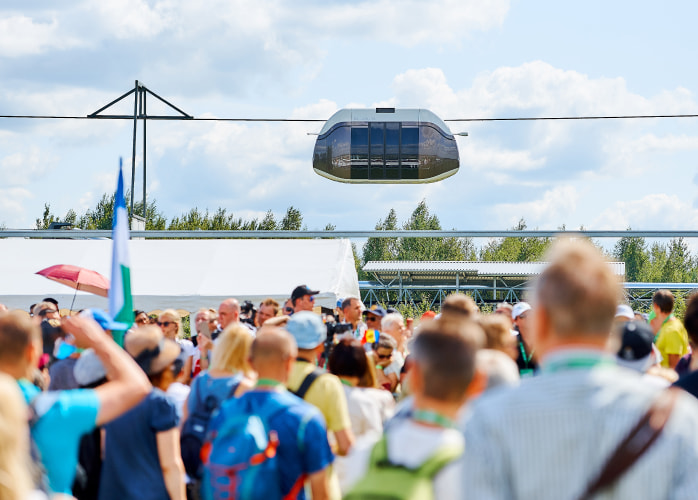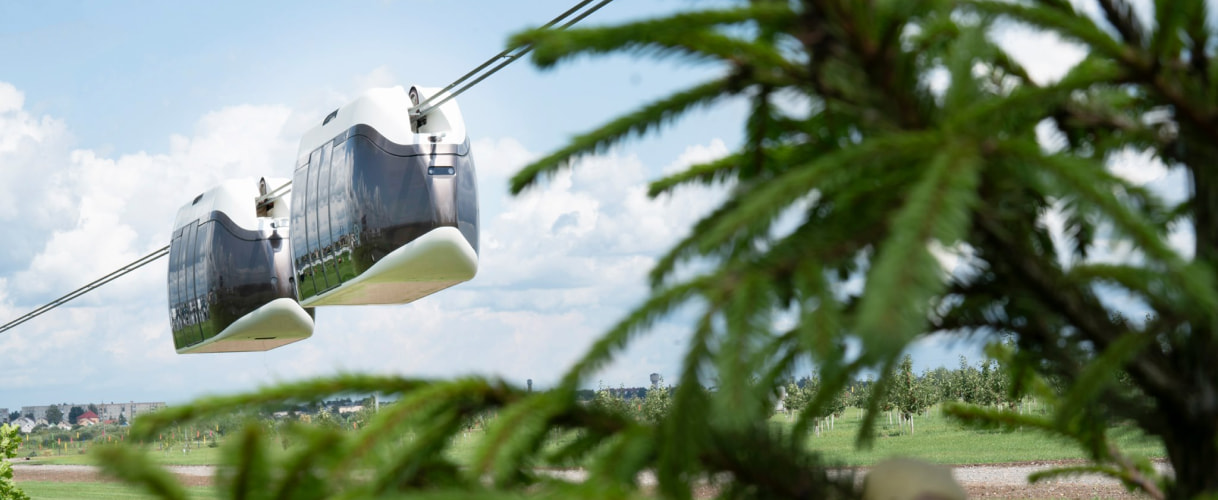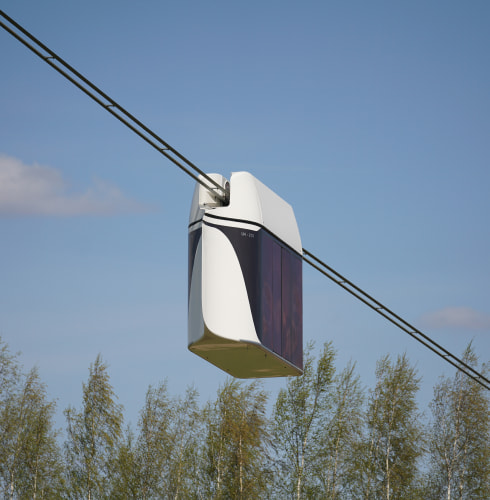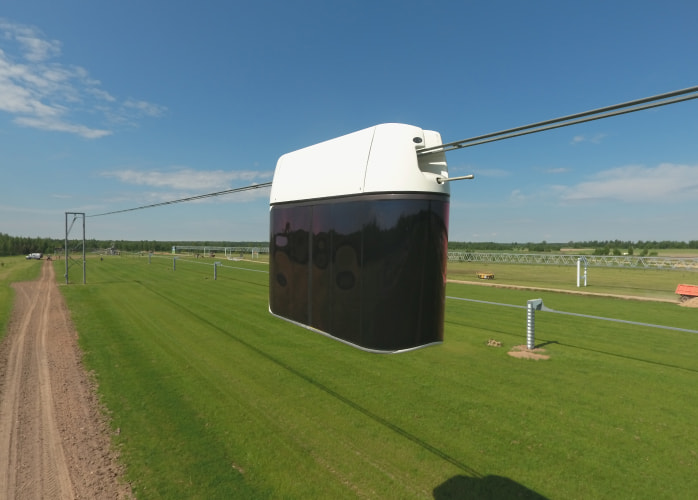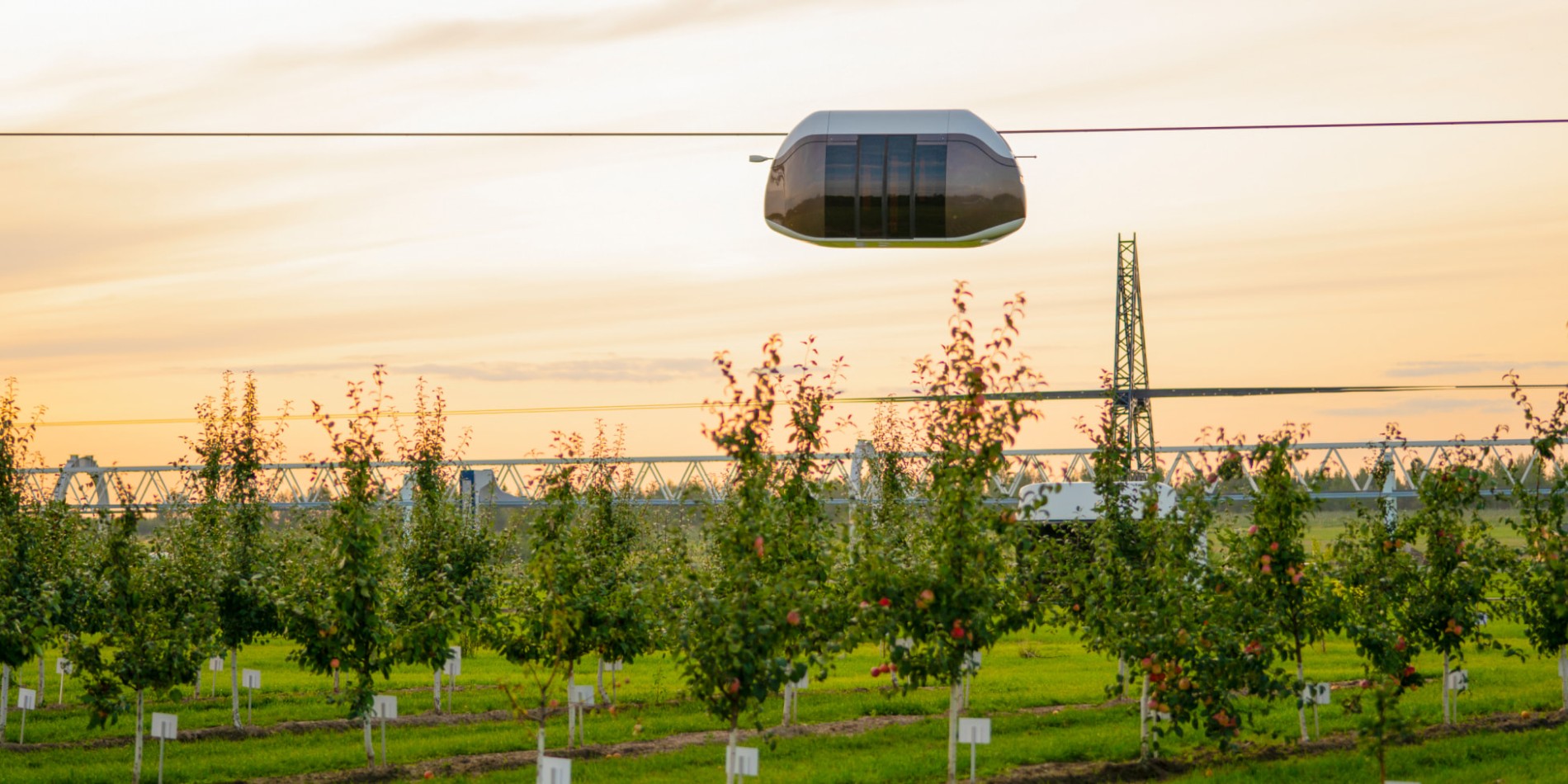
Kathmandu Podway — Nepal’s first smart, eco-friendly pod transit system!

Key Figures

Average capital expenses br (CAPEX)*

CAPEX $ mln/km

* depends on the country of implementation and technical and economic indicators of the project (from open sources of information in average prices as of 01.07.2022)

Speed Average/Maximum, km/h

* based on public sources

Passengers per hour

* based on public sources

Comparison with the rivals Passenger transport

Podway

Ropeway

150 km/h
Maximum travel speed
40 km/h
8–15 mln USD/km
CAPEX
15–25 mln USD/km
Up to 50 000 passengers/hour
Carrying capacity
2 000 passengers/hour
Unlimited
Track length
Up to 10 km
Turning capability
Unmanned steel-wheeled transport
Movement principle
External motor drives the rope and cabins
Track structure – 50-100 years,
rolling stock – 25 years
Life time
Complete replacement is required every 6-8 years
Possibility to extend transport network

Cargo transport

Podway

Ropeway

150 km/h
Maximum travel speed
40 km/h
8–15 mln USD/km
CAPEX
15–25 mln USD/km
Up to 50 000 passengers/hour
Carrying capacity
2 000 passengers/hour
Unlimited
Track length
Up to 10 km
Turning capability
Unmanned steel-wheeled transport
Movement principle
External motor drives the rope and cabins
Track structure – 50-100 years,
rolling stock – 25 years
Life time
Complete replacement is required every 6-8 years
Possibility to extend transport network

Availability

1. Low material consumption
2. Minimum land allotment
3. Low operating costs
4. Automation of the transportation process
Availability Image 1
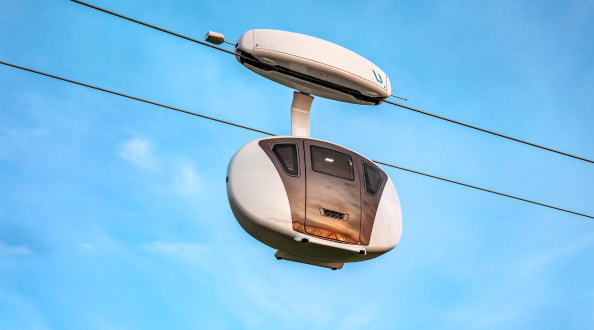
Compared to monorails, cable cars, light rail, or express trams, Kathmandu Podway is far more cost-effective to build and operate. Its innovative string rail design significantly cuts material use and eliminates the need for embankments, bridges, or complex interchanges—making it a highly viable and scalable urban transport solution.
Availability Image 2
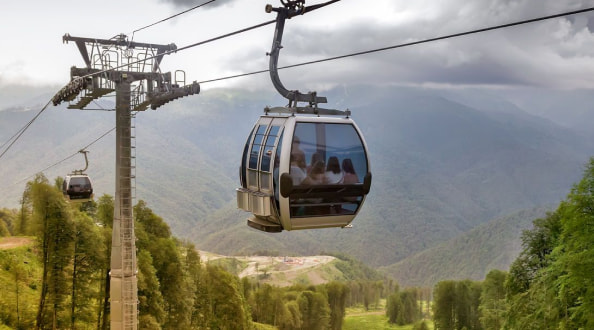
The Kathmandu Podway overpass is highly durable and resistant to external conditions, resulting in low maintenance costs. Its components rarely need replacement, with extended service intervals. The overpass lasts over 50 years before major repairs, and the rolling stock serves up to 25 years.
Availability Image 3
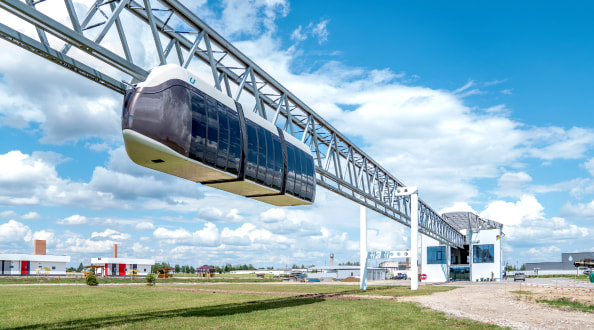
The Kathmandu Podway system allows for shorter, more direct routes thanks to long spans between supports. It can easily cross rivers and difficult terrain without extra structures, cutting both construction and operating costs by avoiding unnecessary detours.

Safety

1. Location of the track structure high above ground rules out accidents
2. Movement of the rolling stock on a firmly secured track
3. Anti-derailment system on each uPod’s wheel
4. Automated control system
5. Data exchange between uPods on the line
Safety Image 1
Kathmandu Podway ensures exceptional safety through a multi-layered system designed to prevent accidents and incidents. Elevated tracks eliminate any risk of collisions with vehicles, pedestrians, or animals. Even in natural disasters or attacks, the prestressed structure remains intact and operational, with rails sagging but not breaking—even if up to 50% of strings are damaged. Automated electric pods run on a securely fixed track, communicating in real-time with each other and the control center. Anti-derailment systems prevent overturns or falls, while the system remains stable even in extreme weather like snow, heavy rain, or sandstorms.
Safety Image 2
Kathmandu Podway is developed to meet strict international safety standards. Its safety has been independently verified in the UAE by TÜV SW, covering key components such as the elevated string rail, automated electric vehicles, support towers, stations, control systems, and utilities.
Safety Image 3
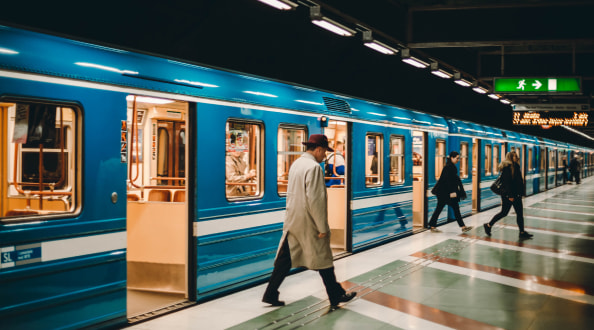
Kathmandu Podway offers a safer transport option during epidemics and pandemics. Unlike crowded buses or trains, its modular pods can carry small groups or larger numbers, depending on need. The automated system adjusts traffic flow in real time to prevent crowding at stations and ensure safer, more flexible travel.

Adaptability

1. Inclusion in areas with difficult terrain and weak and permafrost soils, as well as quake-prone regions and flood zones
2. Integration of external communications – product, electrical, and information networks – over existing infrastructure
3. Construction over existing communication, residential, and industrial infrastructure
4. Adaptation of passenger capacity and traffic intervals of rail electric vehicles to peaks and declines of passenger traffic
Adaptability Image 1
Kathmandu Podway is modular by design—pods can run individually or be linked into larger trains, with configurations tailored to each project's needs. The automated control system adjusts traffic flow based on demand, allowing for high-speed travel (up to 150 km/h) with intervals as short as 20–30 seconds. This enables the system to transport up to 50,000 passengers per hour, safely and efficiently. Its infrastructure is built to withstand extreme climates. The pre-tensioned rails are engineered to handle temperature fluctuations without affecting performance, speed, or ride comfort.
Adaptability Image 2
Kathmandu Podway is highly adaptable, designed to operate in challenging terrain and extreme climates. It can be built over roads, railways, power lines, and urban or industrial zones—making it ideal for dense cities. This flexibility helps ease road congestion and reduces pressure on existing transport networks.
Adaptability Image 3
Kathmandu Podway is designed for both passenger and cargo transport, making it versatile and efficient. Its lightweight elevated track can be seamlessly integrated into existing urban landscapes—far more easily than subways, highways, or railroads. No major city re-planning is needed, and existing infrastructure can be incorporated into the system. Passenger terminals double as anchor points and can host cafes, shops, hotels, or other businesses, even serving as advertising space—helping reduce the system’s payback period through additional revenue streams.

Environment Friendliness

1. Preservation of natural ecosystems and biogeocenoses under the road
2. Preservation of animal migration routes and soil hydrology
3. Electricity use
4. No exhausts, tire and asphalt wear products
5. Low noise
Environment Image 1
Kathmandu Podway is designed for minimal environmental impact and low noise, blending harmoniously with nature rather than disrupting it. Its lightweight structure uses fewer materials and requires minimal land, while running on highly efficient electric power. The steel-wheeled pods achieve 99.8% energy efficiency due to low rolling resistance and aerodynamic design. Energy consumption is 2–3 times lower than other steel-wheel transport and 5–7 times lower than typical road vehicles, making it ideal even for regions with strict environmental standards.
Environment Image 2
Kathmandu Podway pods are greener than conventional electric vehicles, which consume more power and contribute to road congestion and pollution. Elevated above traffic, Kathmandu Podway eliminates jams and their toxic emissions. Unlike pneumatic tires that release harmful particles through wear and disposal, Kathmandu Podway uses specially designed steel wheels that are more durable and eco-friendly, significantly reducing airborne pollutants.
Environment Image 3
Kathmandu Podway produces far less noise and vibration than railways, trams, or monorails. Unlike enclosed metro systems with intense noise and pressure effects, its open elevated design ensures a comfortable, low-impact ride. The elevated track preserves natural water flow, wildlife movement, and farmland, requiring minimal land use without disturbing soil or biodiversity. No harmful de-icing salts are needed for maintenance. With minimal ground supports, Kathmandu Podway helps save vast land areas—preventing the environmental damage caused by traditional roads and rails. This preserves vegetation that replenishes the atmosphere and reduces pollution to safer levels.

By integrating these features, Kathmandu Podway fully satisfies the demands of modern intercity passenger transport systems.

To continue our collaboration, please leave your contact details or submit a project application.

Send inquiry   

FAQs

Show All

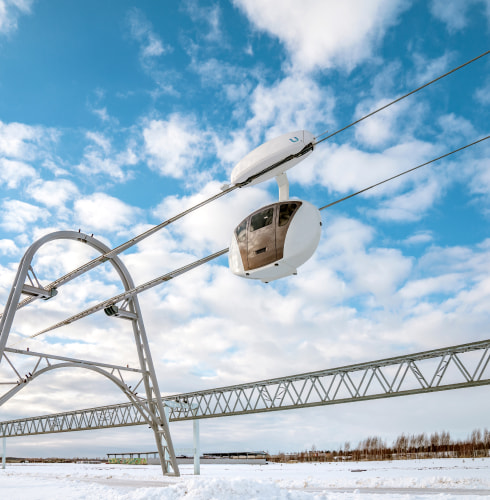
Podway is an innovative, elevated transport system based on string rail technology developed by Unitsky String Technologies (UST). It consists of automated, driverless pods that travel on specially designed suspended tracks above ground, offering a sustainable, safe, and efficient alternative to traditional urban and intercity transportation.

Unlike conventional systems, Podway:

Reduces land use and environmental impact

Minimizes traffic congestion

Operates with high energy efficiency

Is scalable for both low-density and high-capacity routes


The system is ideal for modern smart cities, tourism zones, mountainous regions, and areas where conventional transport faces infrastructure challenges.

Podway is an innovative, elevated transport system based on string rail technology developed by Unitsky String Technologies (UST). It consists of automated, driverless pods that travel on specially designed suspended tracks above ground, offering a sustainable, safe, and efficient alternative to traditional urban and intercity transportation.

Unlike conventional systems, Podway:

Reduces land use and environmental impact

Minimizes traffic congestion

Operates with high energy efficiency

Is scalable for both low-density and high-capacity routes


The system is ideal for modern smart cities, tourism zones, mountainous regions, and areas where conventional transport faces infrastructure challenges.