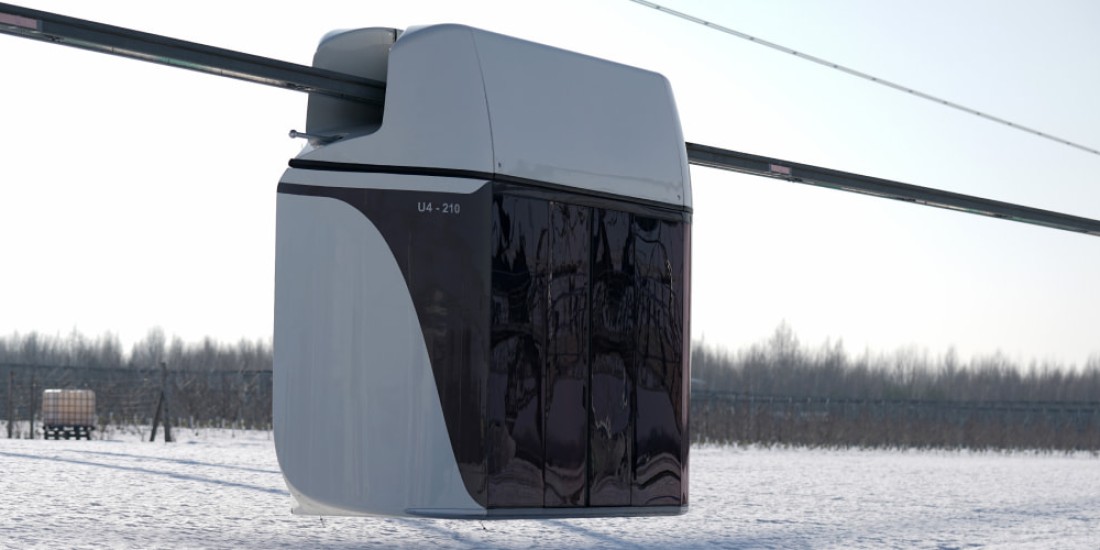
Podway Nepal Infrastructure Solutions are built on advanced next-generation pre-stressed overpass technology, with the string rail serving as the core structural and functional element.
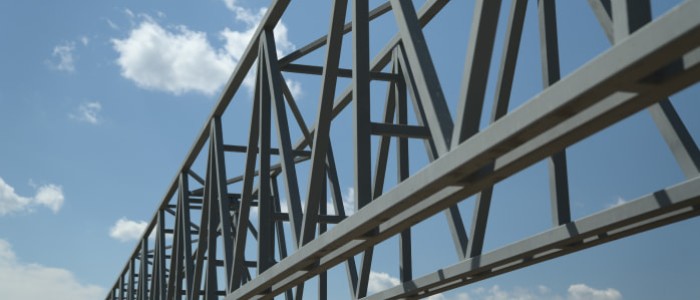
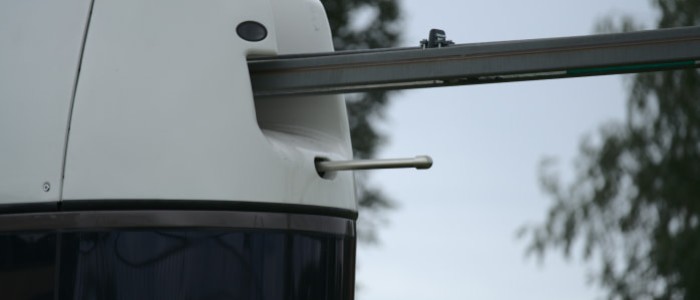
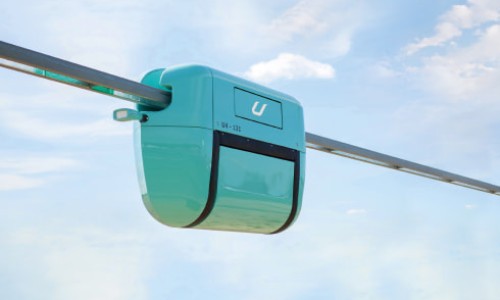
The core of uST Transport & Infrastructure Solutions is the string rail, an uncut, longitudinal steel or steel-reinforced concrete beam with a bundle of pre-stressed tensile wires embedded in its center. A specially designed rail head forms the running surface for steel-wheeled electric vehicles (uPods), which operate autonomously at speeds of up to 150 km/h, with future capabilities reaching 500 km/h. The string rail overpass comprises several key components: Anchoring structures with integrated anchoring nodes that secure and transmit the tensile forces of the string rail. Supporting towers fitted with support assemblies that connect the rail structure and transfer loads. Electrical insulators that isolate the rails from one another, from the support structures, and from the uPods themselves. Support assemblies combine elements such as stinger wires and saddles. These assemblies serve dual functions: Structural – transmitting both the pre-stressed tension and the dynamic loads from moving vehicles. Electrical – acting as insulators rated for up to 1000 volts. The track system consists of: Stressed, electrified sections located between anchoring structures, responsible for propulsion via continuous power supply. Unstressed, non-electrified sections located at turnarounds beyond the anchoring points, where uPods operate on onboard energy storage (batteries). This innovative system combines structural efficiency with high-speed capability and minimal infrastructure footprint, making it ideal for a wide range of terrain and urban environments.
Operating Principle
The vertical load is supported by towers spaced up to 2,000 meters apart, allowing for a lightweight, streamlined track structure that preserves open views of the sky and surrounding landscapes along the route. Kathmandu Podway Solutions, built on patented string rail and overpass technologies, require minimal land use for construction. Their versatile design can be tailored to meet a wide range of logistics needs for both urban and intercity passenger and cargo transportation.
The horizontal load is borne by the anchoring structures that are installed up to 10 kilometers apart. They can be combined with different-purpose buildings, including passenger stations and cargo terminals
Advantages of string rail overpass
Types of string rail overpass
Rigid – maximum payload (up to 100 t), high-speed modes (up to 500 km/h), small spans (up to 100 m)
By integrating these features, Kathmandu Podway fully satisfies the demands of modern intercity passenger transport systems.
To continue our collaboration, please leave your contact details or submit a project application.
Send inquiryFAQs
Show All Hide All
Podway is an innovative, elevated transport system based on string rail technology developed by Unitsky String Technologies (UST). It consists of automated, driverless pods that travel on specially designed suspended tracks above ground, offering a sustainable, safe, and efficient alternative to traditional urban and intercity transportation.
Unlike conventional systems, Podway:
Reduces land use and environmental impact
Minimizes traffic congestion
Operates with high energy efficiency
Is scalable for both low-density and high-capacity routes
The system is ideal for modern smart cities, tourism zones, mountainous regions, and areas where conventional transport faces infrastructure challenges.
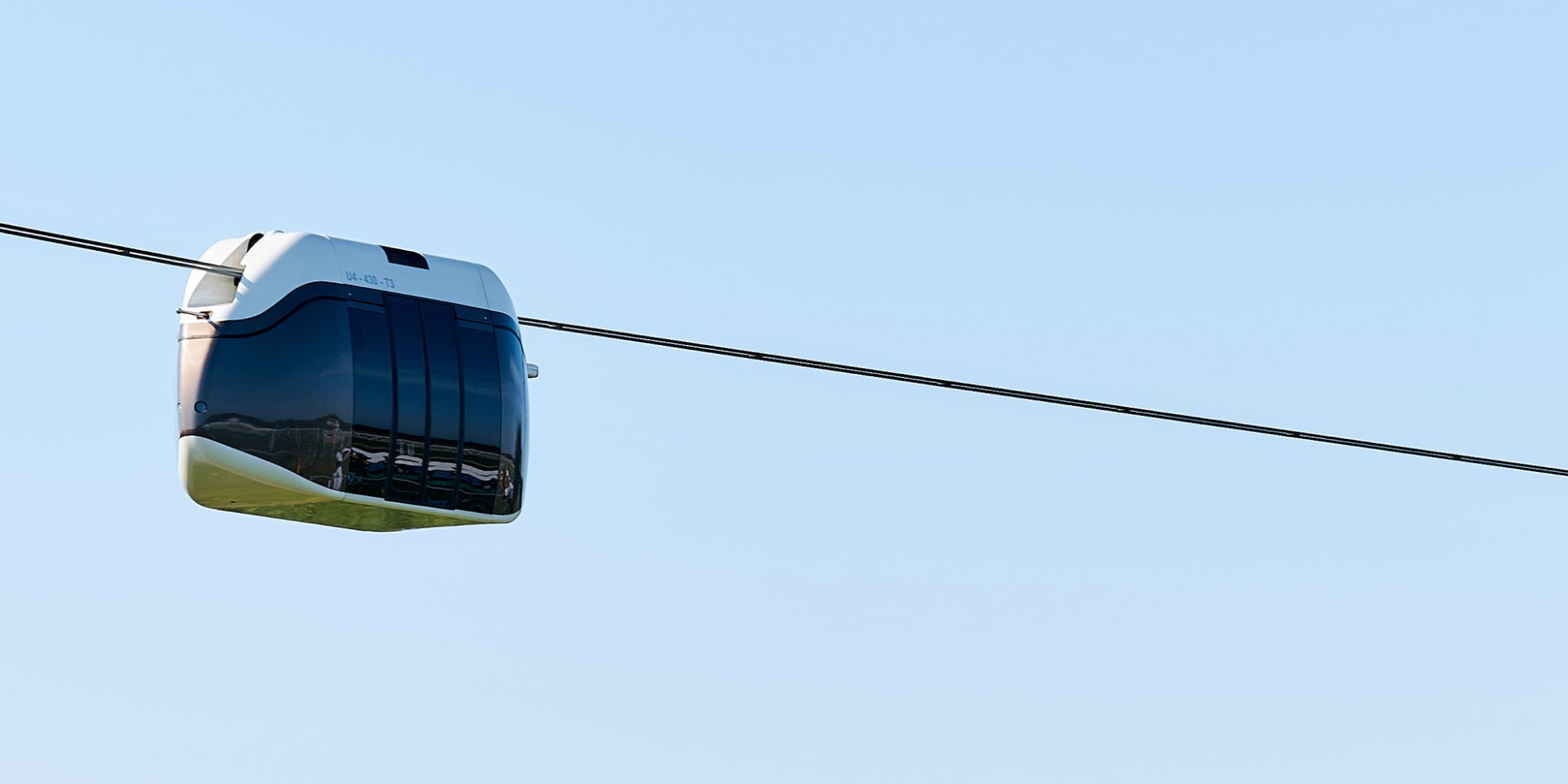
Podway is an innovative, elevated transport system based on string rail technology developed by Unitsky String Technologies (UST). It consists of automated, driverless pods that travel on specially designed suspended tracks above ground, offering a sustainable, safe, and efficient alternative to traditional urban and intercity transportation.
Unlike conventional systems, Podway:
Reduces land use and environmental impact
Minimizes traffic congestion
Operates with high energy efficiency
Is scalable for both low-density and high-capacity routes
The system is ideal for modern smart cities, tourism zones, mountainous regions, and areas where conventional transport faces infrastructure challenges.