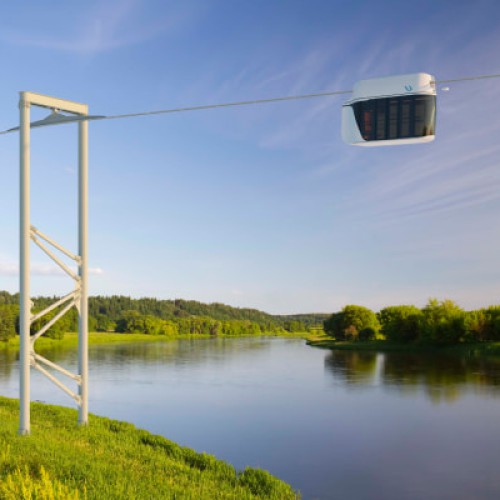
Kathmandu Podway — Nepal’s first smart, eco-friendly pod transit system!

{ $csr->title }}

Environmental Stewardship

We are dedicated to minimizing the ecological footprint of the Kathmandu Podway by employing sustainable construction practices, reducing material consumption, and utilizing clean, electric-powered transportation. Our elevated design protects natural habitats, preserves biodiversity, and ensures the safe migration of wildlife, contributing to the long-term health of the local environment.

{ $csr->title }}

Environmental Stewardship

Environmental Stewardship

By integrating these features, Kathmandu Podway fully satisfies the demands of modern intercity passenger transport systems.

To continue our collaboration, please leave your contact details or submit a project application.

Send inquiry   

FAQs

Show All

Podway is an innovative, elevated transport system based on string rail technology developed by Unitsky String Technologies (UST). It consists of automated, driverless pods that travel on specially designed suspended tracks above ground, offering a sustainable, safe, and efficient alternative to traditional urban and intercity transportation.

Unlike conventional systems, Podway:

Reduces land use and environmental impact

Minimizes traffic congestion

Operates with high energy efficiency

Is scalable for both low-density and high-capacity routes


The system is ideal for modern smart cities, tourism zones, mountainous regions, and areas where conventional transport faces infrastructure challenges.

Podway is an innovative, elevated transport system based on string rail technology developed by Unitsky String Technologies (UST). It consists of automated, driverless pods that travel on specially designed suspended tracks above ground, offering a sustainable, safe, and efficient alternative to traditional urban and intercity transportation.

Unlike conventional systems, Podway:

Reduces land use and environmental impact

Minimizes traffic congestion

Operates with high energy efficiency

Is scalable for both low-density and high-capacity routes


The system is ideal for modern smart cities, tourism zones, mountainous regions, and areas where conventional transport faces infrastructure challenges.