Challenging terrain and extreme climates in many regions make traditional transport infrastructure costly and difficult to build and maintain—especially for remote industrial needs like mining.
In many regions around the world, challenging landscapes, water barriers, and extreme weather conditions make it difficult—or even impossible—to build and operate conventional transport systems. In such environments, laying traditional infrastructure is often prohibitively expensive and technically complex, especially when supporting the development of remote mineral deposits that require the reliable transport of personnel, equipment, and cargo. Regions with harsh climates frequently face severe cold, deep ground freezing, heavy precipitation, and a limited construction season. These conditions demand the use of overpasses, elevated embankments, and advanced frost protection technologies for highways and railways. As a result, energy consumption rises, vehicle efficiency drops, and both capital and operating costs surge—making conventional transport an unsustainable solution in these areas. Urban road networks are now so overloaded that they pose a nearly unsolvable problem. Moreover, expanding road infrastructure contributes to rising pollution levels and reduces vital green spaces. Beyond urban areas, new highways often consume fertile agricultural land, alter natural landscapes, and disrupt local ecosystems and biodiversity.
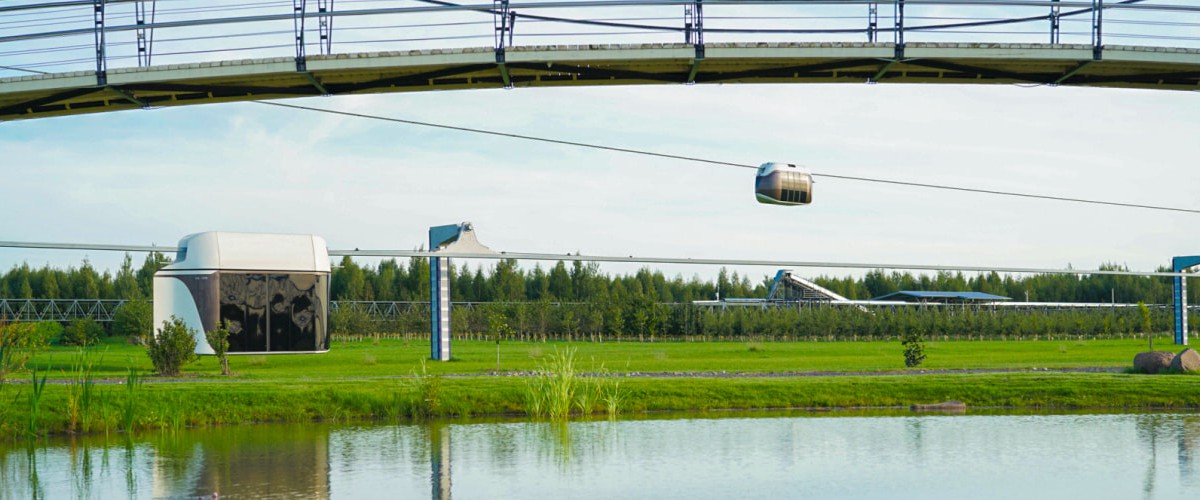
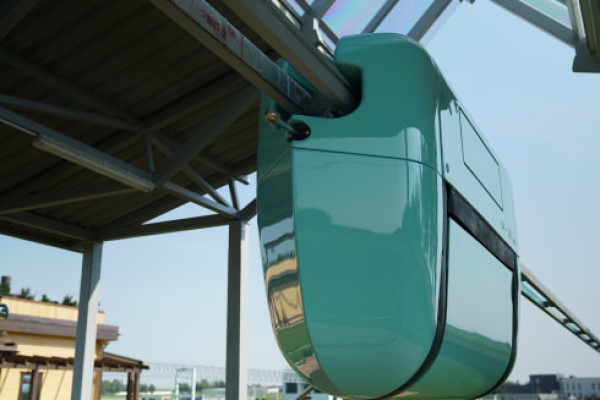
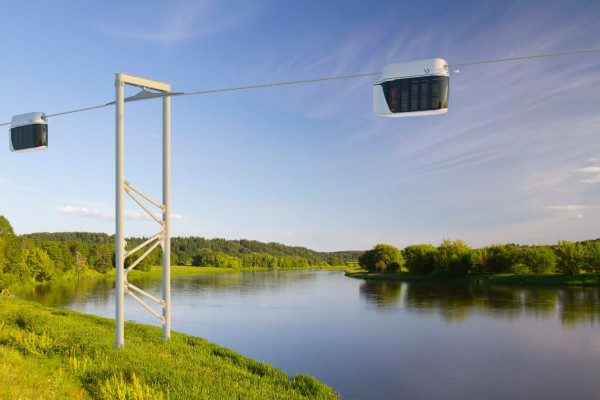
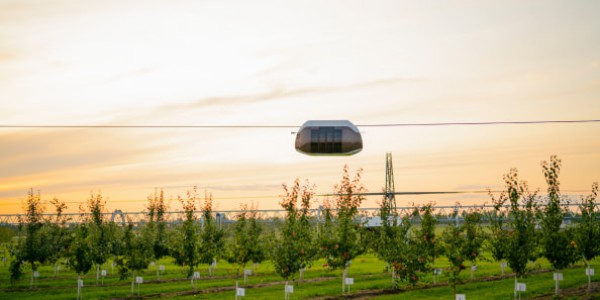
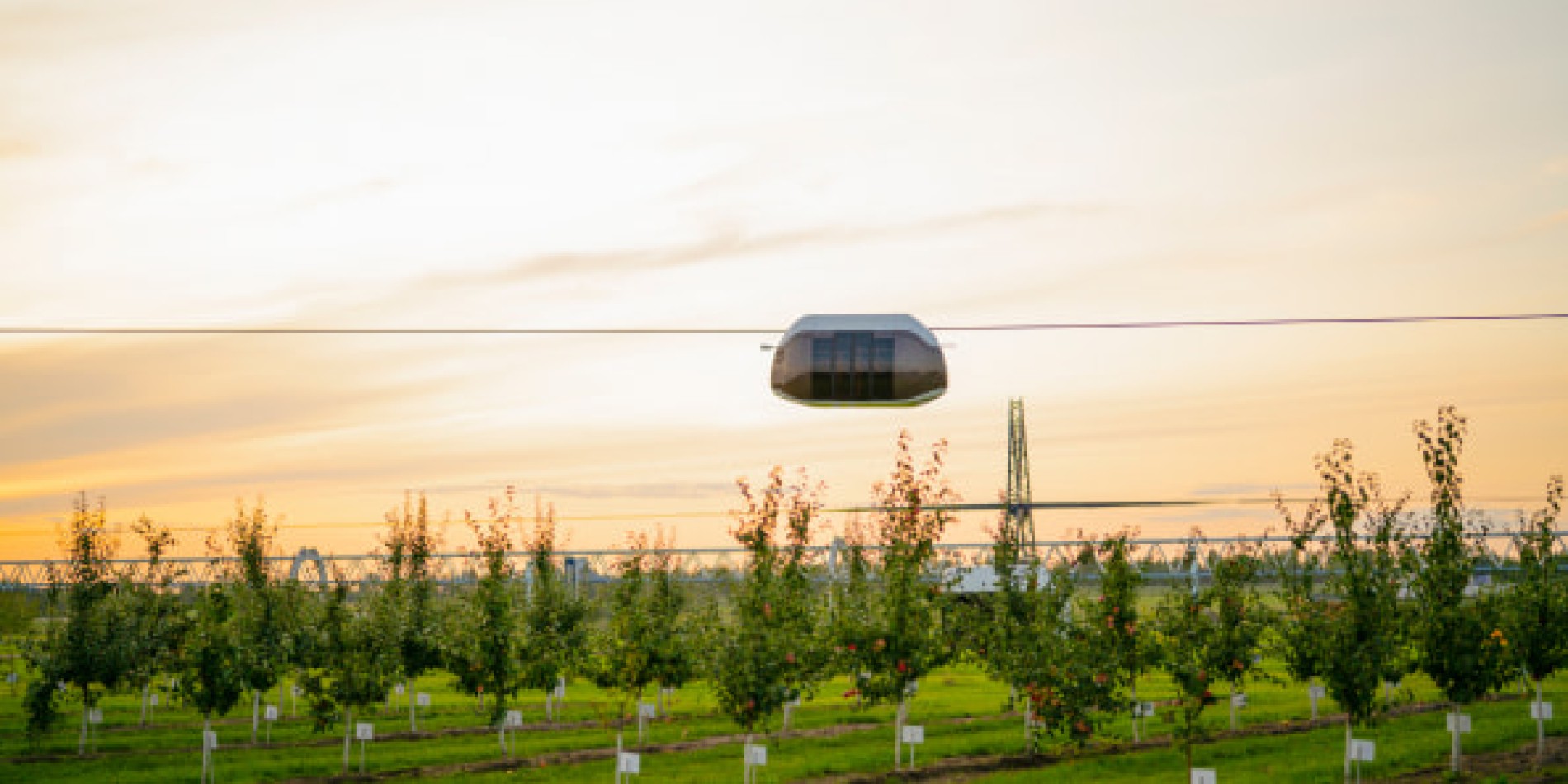
The proposed Transport & Infrastructure Complexes are exceptionally effective in regions with difficult terrain and extreme weather conditions. Tailored electric rail vehicles (uPods) are selected based on the specific requirements of each route. These uPods operate on an elevated string rail overpass, allowing safe and efficient movement of passengers and cargo at speeds of up to 150 km/h. The system accommodates slopes of up to 15% in standard configurations—and over 50% with special modifications—while using significantly fewer materials compared to traditional overpasses.
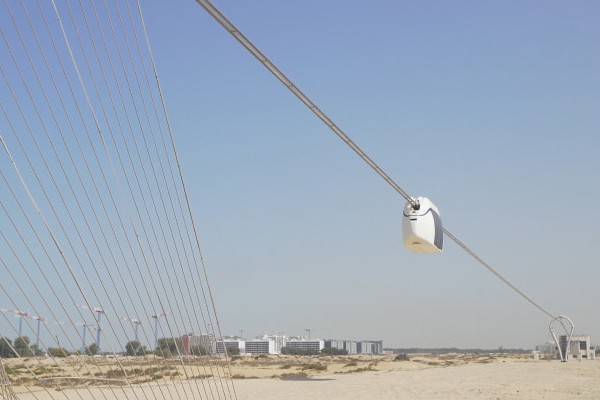
Thanks to its pre-stressed string design, the rail structure withstands extreme temperature fluctuations ranging from -60°C to +60°C, offering high reliability and a long service life even under harsh environmental conditions.
Constructing these lightweight yet robust overpasses in mountainous regions, swamps, jungles, deserts, or permafrost zones proves far more cost-effective than building conventional infrastructure. The elevated design not only reduces the risk of traffic accidents but also preserves natural ecosystems by avoiding interference with wildlife migration and water flow.
Efficient Transit to remote Sites
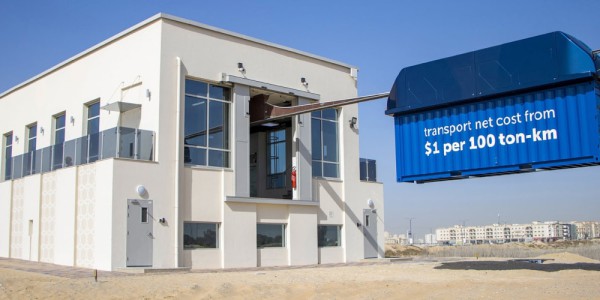
The Transport & Infrastructure Complexes offer a reliable solution for transporting workers to remote areas. In addition to passenger transport, steel-wheeled electric cargo vehicles can efficiently carry extracted minerals. Operating on an elevated “second level” track structure, this system enables fast, safe, and fully automated movement of both people and goods—minimizing delays and maximizing efficiency even in the most challenging environments.
Bridging Divided Cityscapes
Kathmandu Podway offers an ideal solution for connecting cities with remote airports, seaports, and train stations. Its elevated, high-speed system ensures reliable shuttle service that operates independently of road traffic and delays. Stations can be seamlessly integrated into terminal buildings, streamlining passenger flow and reducing the risk of missed departures. With intelligent automation, travel intervals are adjusted to match flight or train schedules—ensuring timely arrivals and a smooth pre-boarding experience.
Connecting Remote Regions with Ease
Kathmandu Podway Complexes enable fast, reliable connections to cities in remote and hard-to-access areas. The elevated string track can serve as a high-speed shuttle between these locations and major transport hubs such as airports, seaports, and railway stations. Beyond passenger transport, it also offers an efficient solution for delivering essential cargo—like food, construction materials, and equipment—quickly and safely to even the most isolated destinations.
This is more than just transport—it’s a leap forward for Nepal’s economy, tourism, and everyday life. We’re also working with universities and training centers to ensure Nepali professionals lead the way.
Fast passenger transportation
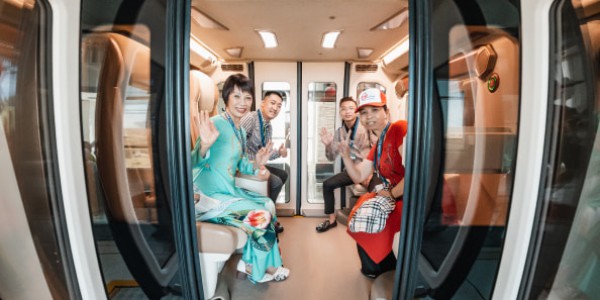
Passengers enjoy a safe and comfortable journey thanks to dedicated elevated tracks and an advanced automated control system. This setup eliminates delays caused by traffic congestion, human error, or adverse weather conditions. Operating without traditional speed limits, the system reaches speeds up to 150 km/h while maintaining a smooth, quiet ride, ensuring maximum comfort throughout the trip.
Comprehensive Congestion Solution
Kathmandu Podway pods eliminate congestion by operating on elevated tracks above ground level, effectively redistributing passenger traffic. This separation reduces pressure on main highways, easing traffic flow for all ground transportation and significantly alleviating congestion at every level.
Direct Routing for Faster Travel
Kathmandu Podway enables routes to be laid along the shortest possible path to cities or airports—unlike traditional roads or railways. With support spans reaching up to 2 kilometers, the elevated track can cross rivers, lakes, gorges, protected areas, and other wide obstacles directly, eliminating the need for detours, bridges, or complex interchanges. This streamlined design reduces travel time, lowers construction and maintenance costs, and cuts long-term energy consumption across millions of trips.
By integrating these features, Kathmandu Podway fully satisfies the demands of modern intercity passenger transport systems.
To continue our collaboration, please leave your contact details or submit a project application.
Send inquiryFAQs
Show All Hide All
Podway is an innovative, elevated transport system based on string rail technology developed by Unitsky String Technologies (UST). It consists of automated, driverless pods that travel on specially designed suspended tracks above ground, offering a sustainable, safe, and efficient alternative to traditional urban and intercity transportation.
Unlike conventional systems, Podway:
Reduces land use and environmental impact
Minimizes traffic congestion
Operates with high energy efficiency
Is scalable for both low-density and high-capacity routes
The system is ideal for modern smart cities, tourism zones, mountainous regions, and areas where conventional transport faces infrastructure challenges.
Podway is an innovative, elevated transport system based on string rail technology developed by Unitsky String Technologies (UST). It consists of automated, driverless pods that travel on specially designed suspended tracks above ground, offering a sustainable, safe, and efficient alternative to traditional urban and intercity transportation.
Unlike conventional systems, Podway:
Reduces land use and environmental impact
Minimizes traffic congestion
Operates with high energy efficiency
Is scalable for both low-density and high-capacity routes
The system is ideal for modern smart cities, tourism zones, mountainous regions, and areas where conventional transport faces infrastructure challenges.